VOCRDC empowers women and youth through practical skill development, employment opportunities, entrepreneurship and community-owned enterprises.
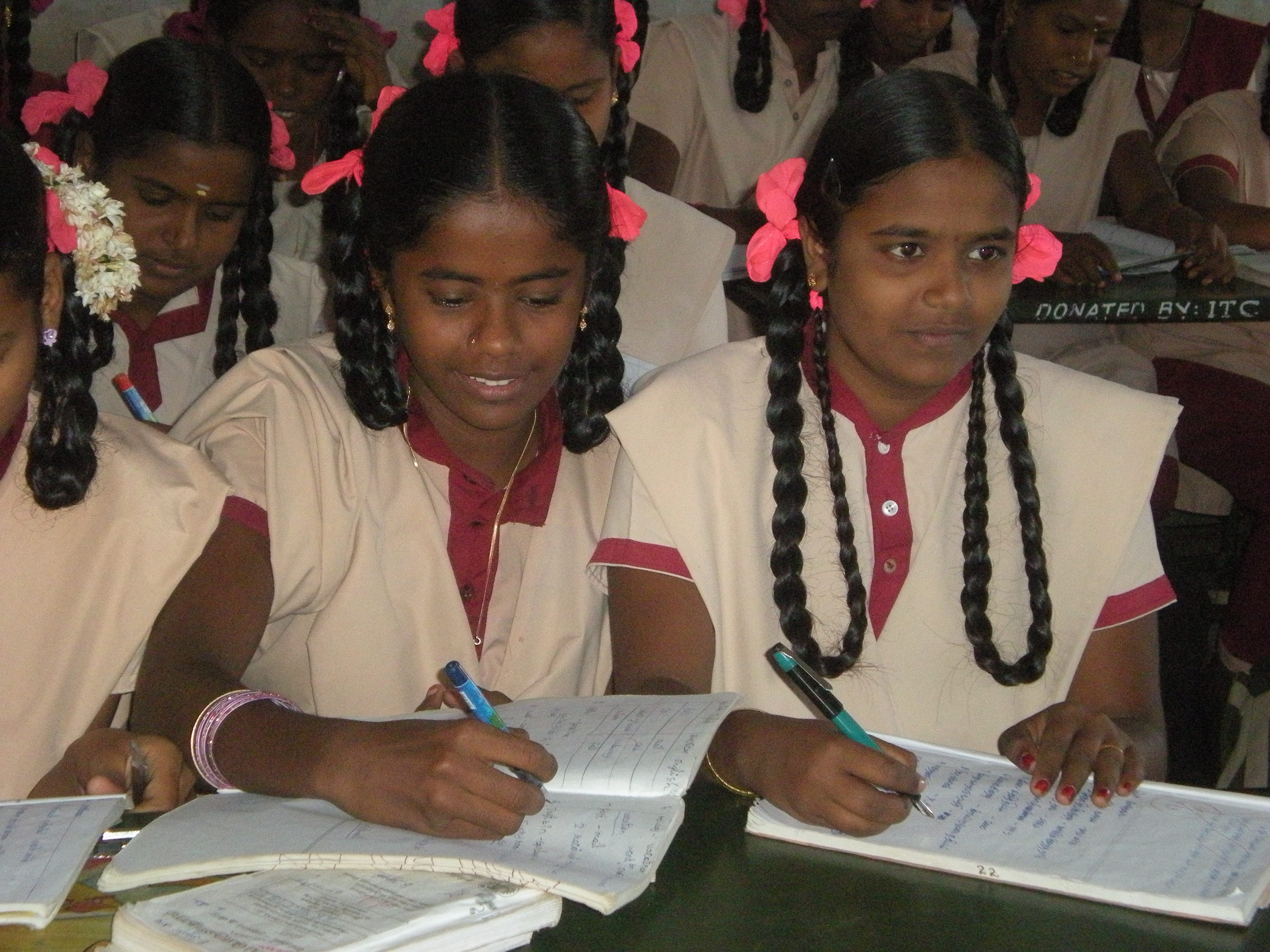
Poverty-stricken women often face restricted access to education due to distant or costly training centres, social customs limiting mobility, early marriage, and lack of finance. VOCRDC provides skill development training to women and youth from suburban and rural areas, empowering them to start small businesses and secure sustainable livelihoods.
Skill development enables participants to support their families, reduces dependency, builds confidence in decision-making, builds self-esteem, increases earning potential and creates entrepreneurship opportunities.
To strengthen social and economic development, VOCRDC offers diverse training modules including:
Practical training in eco-friendly jute bag production and income generation.
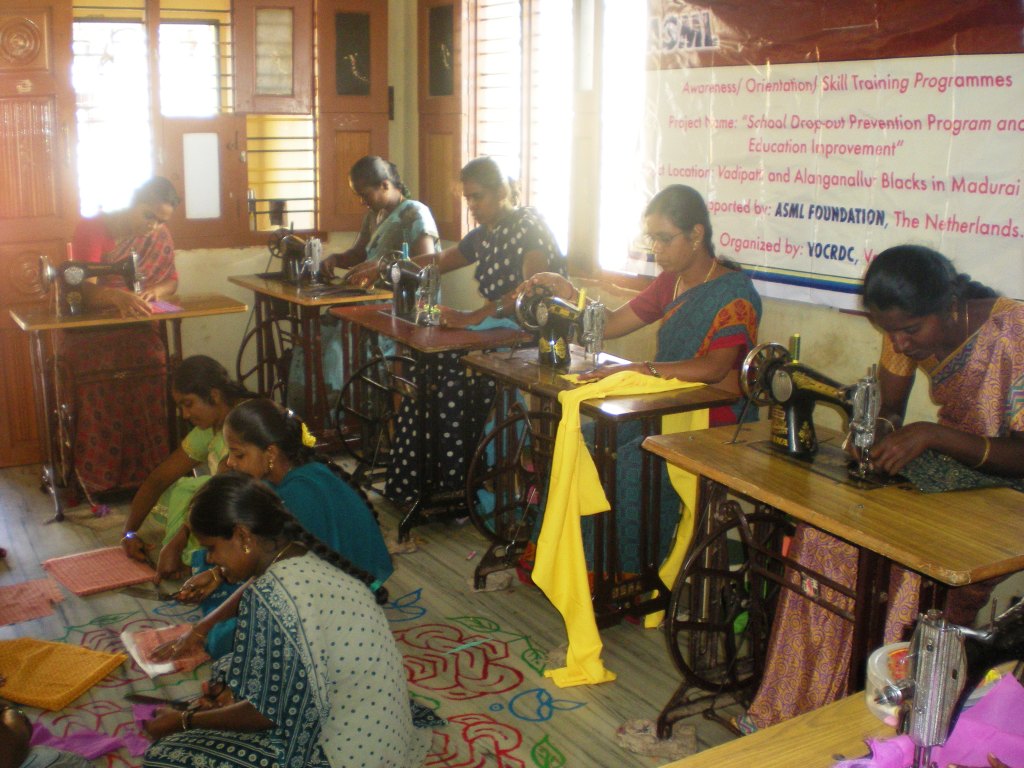
Tailoring, embroidery and readymade garment production skills.
Piggery, goat and poultry farming opportunities for sustainable livelihoods.
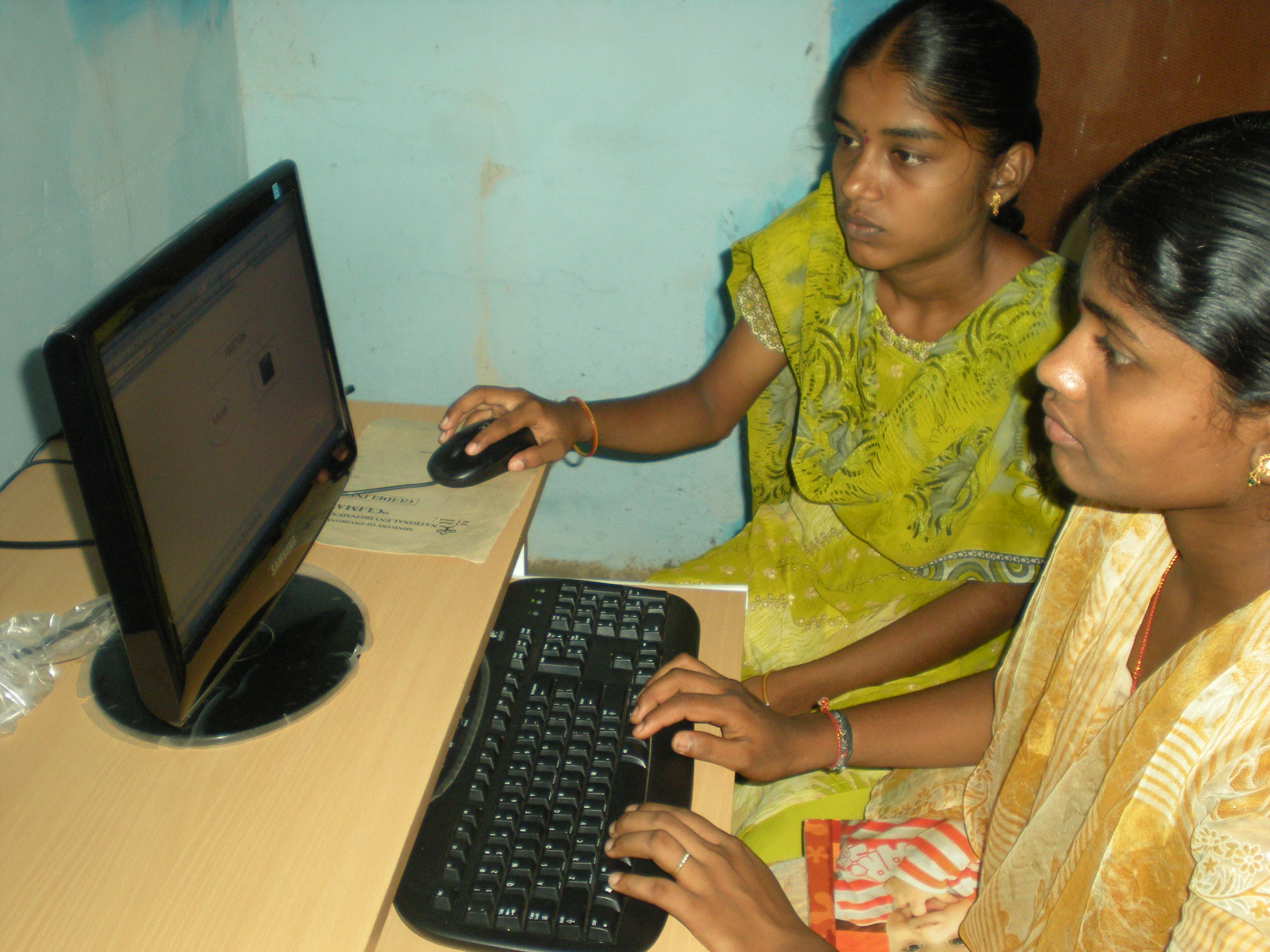
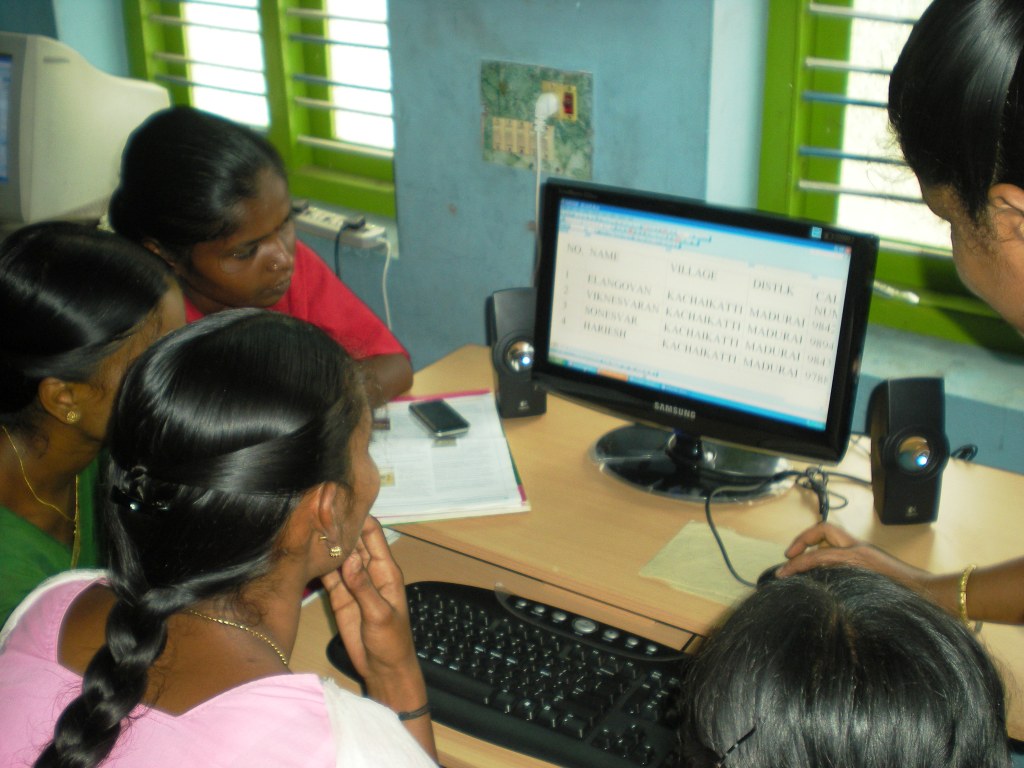
Digital and computer education for improved employability and entrepreneurship.
Driving skills and employment opportunities for women and youth.
Professional beauty and personal-care skills supporting self-employment.
These programs specifically target Dalit, abandoned, destitute women and adolescent girls, creating pathways to employment, entrepreneurship and economic independence.
A strategic focus on employability in the government-recognized Integrated Textile Park through “Textile Tailoring and Garment Making” training has successfully placed 140 disadvantaged individuals.
Helping women and youth transform skills into sustainable income, confidence and entrepreneurship.
VOCRDC's livelihood initiatives help participants turn practical skills into employment, enterprise and sustainable income opportunities.
Mothers have received skill development training to strengthen household livelihoods and economic independence.
Youth have gained practical skills and improved opportunities for employment and entrepreneurship.
More than 400 trained individuals are engaged in sustainable income generation activities.
40 women received driving training, with 32 now employed as school van and taxi drivers.
Women from manual scavenging communities received piggery farming opportunities through the sustainable “pass-on-the-pigs” model.
140 disadvantaged individuals have been placed through Textile Tailoring and Garment Making training.
An e-commerce portal for SHG products achieved ₹42 lakhs in sales while supporting collective ownership.
A decentralized, community-owned Training cum Production and Marketing Textile Garments Unit was established in Vadipatti.
We connect training with real livelihood opportunities so that skills can become sustainable sources of income.